

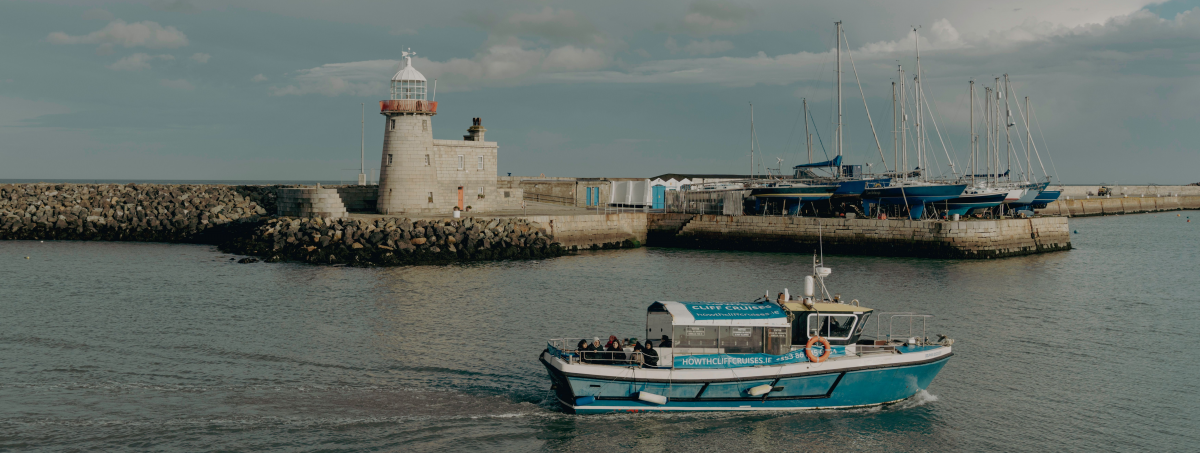
Ireland is preparing legislation that would strengthen protections for fishing crews and bring additional international safety standards into the country’s maritime regulatory framework.
Ireland is preparing new legislation aimed at strengthening maritime safety standards and improving protections for people working at sea. The Government has approved the General Scheme of the Merchant Shipping (International Conventions and Miscellaneous Provisions) Bill 2026, which would provide a framework for Ireland to ratify five international maritime conventions and update existing legislation to reflect revised European Union requirements. The measures include provisions covering fishing vessel safety, crew training and certification, ship recycling and the removal of hazardous wrecks.
A key health and safety element is Ireland’s proposed ratification of the Cape Town Agreement, an international agreement establishing mandatory safety standards for fishing vessels of 24 metres and above. The International Maritime Organization (IMO) says the agreement covers areas including vessel design, construction, equipment and inspection, with the aim of preventing casualties and improving working conditions for fishers. The agreement is scheduled to enter into force globally in February 2027, adding further significance to Ireland’s proposed legislative changes.
The Bill would also support ratification of the STCW-F Convention, which establishes certification and minimum training requirements for crews of seagoing fishing vessels. Training and competency are important components of maritime risk management, particularly in an environment where workers may face risks associated with vessel operations, navigation, machinery, adverse weather and emergency situations. Establishing recognised minimum requirements for fishing vessel personnel can provide a more consistent framework for ensuring that crews have the skills and qualifications required for their roles.
The proposed legislation also includes measures relating to hazardous wrecks and navigational safety. A framework for the removal of wrecks that present risks to navigation or the marine environment would give Ireland additional legislative tools for addressing hazards that can affect commercial shipping, fishing vessels and other maritime users. The Government has also identified the Hong Kong Convention on ship recycling and the Nairobi International Convention on the Removal of Wrecks among the international agreements covered by the proposed legislation.
The Department of Transport said the legislation would strengthen protections for fishing vessel personnel while supporting Ireland’s compliance with international and EU obligations. The Department also noted that Ireland already applies higher safety standards through existing EU legislation and that these standards will continue following the proposed ratification of the Cape Town Agreement.
For maritime operators and safety professionals, the changes highlight the increasing importance of internationally consistent standards for vessel safety, crew competence and emergency preparedness. The development also comes as the global fishing sector moves towards stronger mandatory safety requirements, with the IMO describing the Cape Town Agreement as a significant step in closing a longstanding gap in the international maritime safety framework.
For the sector, the lesson is clear: maritime safety depends on more than vessel compliance alone. Effective training, certification, vessel standards, inspection and procedures for managing navigational hazards all contribute to reducing risks for people working at sea. Ireland’s proposed legislation would bring several of these elements together while strengthening the country's alignment with international maritime safety standards.
Source: Afloat News / Department of Transport / International Maritime Organization (IMO) / International Labour Organization (ILO)








.png)