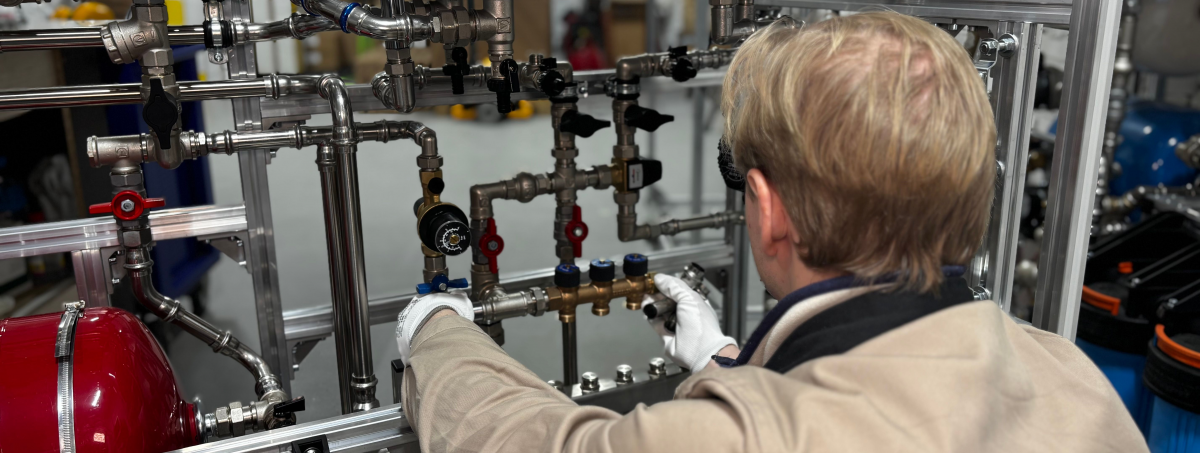
Health and safety in the heating and building materials sectors is increasingly moving beyond responding to incidents towards preventing them in the first place. The 2026 national focus on gas safety provides a timely opportunity for manufacturers, merchants and installers to strengthen that preventative culture while demonstrating the wider value of professional expertise. Running from September 14-20 under the 'Take No Chances' theme, the campaign is not about creating fear around gas appliances, but encouraging simple, practical actions that can significantly reduce risk. For an industry responsible for supplying, installing and maintaining essential heating equipment, that creates a positive opportunity to make safety an everyday part of customer service rather than an occasional compliance exercise.
The importance of prevention is reinforced by current Health and Safety Executive guidance, which highlights the dangers associated with carbon monoxide (CO), a poisonous gas that cannot be seen, smelled or tasted. Proper installation, regular maintenance, appropriate ventilation and effective detection all have an important role to play. The principle is straightforward: identifying potential problems early creates a greater opportunity to resolve them before they develop into serious incidents. For manufacturers, this reinforces the importance of reliable safety products; for installers, it strengthens the case for thorough inspection and servicing; and for merchants, it creates an opportunity to ensure customers can access appropriate products and advice.
The industry's response demonstrates how this preventative approach can work in practice. The Heating and Hotwater Industry Council's 2026 campaign guidance encourages households to arrange annual checks with appropriately qualified engineers, recognise warning signs and avoid delaying action when concerns arise. Its emphasis on simple actions is significant because effective safety management is often built from routine behaviours rather than major interventions. A service appointment, an alarm check or a conversation about ventilation can each provide an opportunity to prevent a much more serious problem.
This also creates a stronger role for merchants and manufacturers beyond the point of sale. CO and smoke alarms can become part of a broader conversation about responsible appliance ownership, while clear product information enables installers to make appropriate recommendations with confidence. The commercial opportunity is important, but it is most sustainable when it follows genuine customer need. Helping an installer identify a safety requirement adds value to the transaction while strengthening the merchant's position as a trusted industry partner.
Installers themselves remain central to this preventative chain. They are often the professionals with the greatest practical access to appliances, flues and heating systems, placing them in a strong position to identify warning signs homeowners may overlook. Annual servicing can therefore deliver benefits beyond immediate appliance performance by identifying developing issues, reinforcing safe operating practices and giving customers greater confidence in their heating systems.
As installers also expand their capabilities into heat pumps and other technologies, maintaining strong gas safety knowledge remains important while existing housing stock continues to rely on gas heating. Worcester Bosch similarly promotes regular servicing as part of responsible boiler ownership, reinforcing the connection between preventative maintenance, reliability and customer value.
Three actions can help turn this renewed attention into lasting practice. Manufacturers and merchants should equip sales and technical teams with practical safety information. Installers should use service visits to review appliance condition, ventilation and appropriate CO detection. Businesses should also maintain safety messaging throughout the year rather than concentrating it around a single campaign.
The most positive outcome is that prevention becomes a measure of professional excellence. When manufacturers provide reliable solutions, merchants make them accessible and installers combine technical competence with informed customer advice, the entire supply chain contributes to safer homes. Gas safety is therefore not simply a regulatory responsibility. It is an opportunity for the industry to demonstrate leadership, build trust and show that good health and safety practice is inseparable from good professional practice.








.png)