Road safety is an increasingly important part of workplace Health & Safety, particularly for organisations whose employees, contractors and service teams spend significant time travelling. Northern Ireland's Road Safety Week 2026 is highlighting how safer driving practices and greater awareness can help businesses protect their people while making roads safer for everyone.
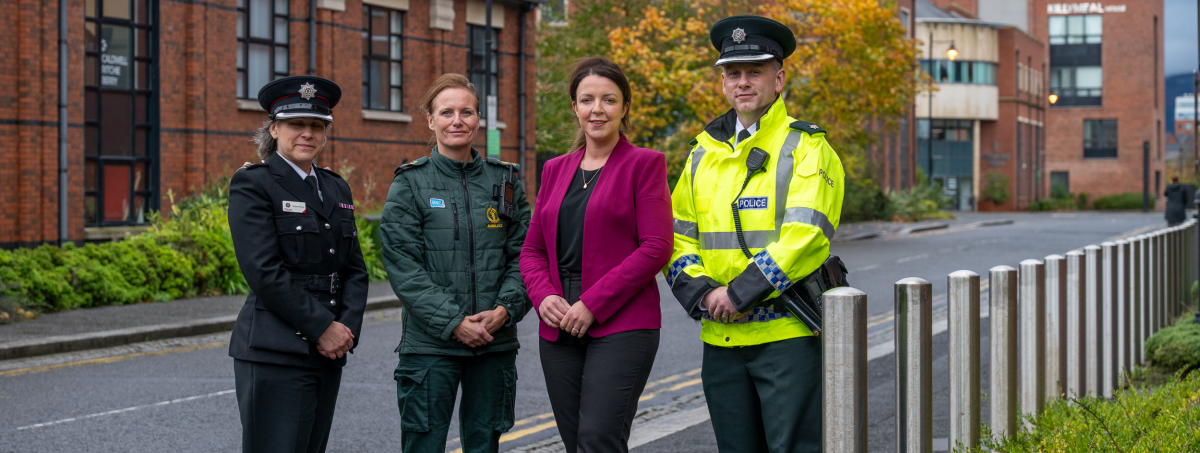
Infrastructure Minister Liz Kimmins launched the campaign on 16 November under the theme "Safe People on the Move", encouraging drivers, pedestrians, cyclists and other road users to take greater responsibility for one another. The Department for Infrastructure's announcement highlights the importance of protecting vulnerable road users, particularly during the darker winter months when visibility and road conditions demand additional care.
For employers, the campaign reinforces an important principle: workplace safety extends beyond company premises. Organisations operating commercial fleets, managing mobile workforces or coordinating contractors can strengthen their safety commitments through driver training, journey planning, vehicle maintenance and clear policies on responsible driving.
The scale of the issue underlines why prevention matters. Northern Ireland Fire & Rescue Service Area Commander Suzanne Fleming confirmed that firefighters attended 807 road traffic collision incidents and rescued 544 people during 2025. These figures demonstrate the importance of consistent safety awareness and practical measures to reduce avoidable incidents. The Northern Ireland Fire & Rescue Service is also encouraging road users to remain visible, avoid distractions and choose speeds appropriate to road conditions.
Minister Kimmins said every road user deserved to reach their destination safely, highlighting how distraction, inappropriate speeds and poor observation can have serious consequences. Her message was supported by Police Service of Northern Ireland Superintendent Jonathan Wilson, who encouraged drivers to follow the Fatal Five principles: avoiding drink and drug driving, slowing down, avoiding careless driving, wearing seat belts and never using mobile phones behind the wheel. The PSNI's Fatal Five guidance provides further practical advice on these essential safety behaviours.
Northern Ireland Ambulance Service Chief Paramedic Officer Neil Sinclair also emphasised the importance of considering personal safety and the wellbeing of other road users before every journey.
For the sector, the lesson is direct: road safety must be an integral part of workplace Health & Safety rather than a responsibility limited to individual drivers. Employers, facilities managers and fleet operators can make a meaningful contribution through stronger travel policies, practical driver education and a culture that prioritises people. By embedding safer journeys into everyday operations, businesses can protect their workforces, support their communities and help make every journey a safer one.