

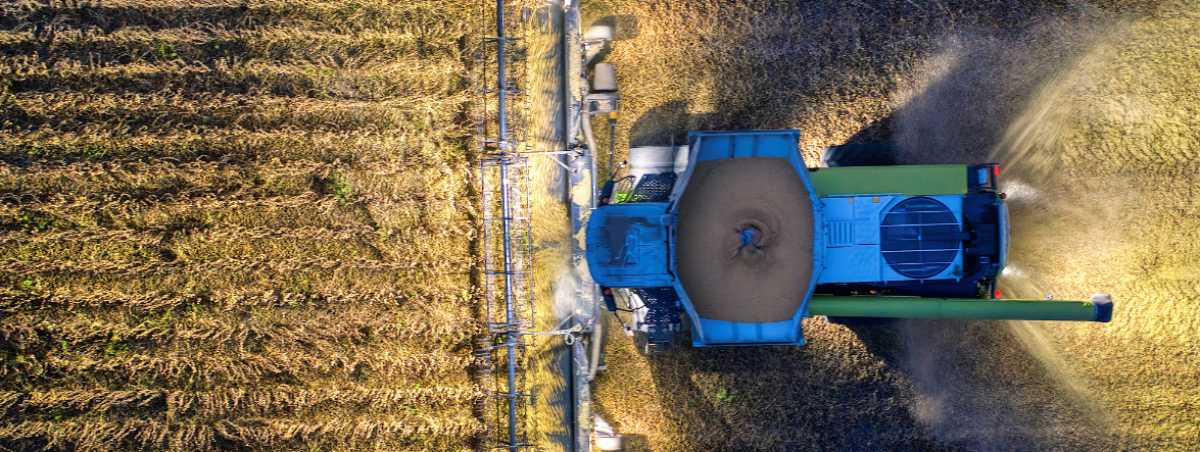
Ireland’s farm safety infrastructure has never been better resourced than in 2026. The HSA’s national livestock handling inspection campaign, launched on 19 January ahead of calving season, is the operational expression of a prevention architecture backed by €3 million in dedicated Budget 2026 funding. For agribusiness leaders and farm enterprise managers, the campaign signals that the tools, funding and guidance to make Irish farms measurably safer are now comprehensively in place.
The case for treating farm safety as a strategic management priority has never been stronger. Ireland’s agriculture sector employs approximately 4 per cent of the national workforce yet accounts for a disproportionate share of work-related fatalities, a pattern consistently identified as preventable through structured risk management. Three elements of the current prevention landscape give farm enterprises an actionable framework: a nationally coordinated inspection programme, substantial capital grant support, and a clear evidence base on the hazards that matter most.
The January 2026 campaign focuses on livestock management during calving season, when handling pressure and fatigue concentrate physical risk. HSA inspectors visiting farms nationwide are assessing calving facilities, livestock segregation and fatigue management. The campaign builds on HSA guidance identifying livestock handling, machinery incidents and falls from height as the leading causes of agricultural fatalities, giving farmers a prioritised list of the controls that deliver the greatest safety return.
The prevention infrastructure available to Irish farm enterprises is substantial. Budget 2026 allocated €3 million to farm safety initiatives, building on €1.6 million across 36 projects in 2025. The Targeted Agriculture Modernisation Schemes provide 60 per cent grant aid for qualifying capital investments — crush facilities, livestock handling equipment and improved yard infrastructure — making structural improvements financially accessible. Teagasc, the IFA and the HSA Farm Safety Partnership provide training, risk assessment tools and on-farm support nationwide.
The focus on older and lone farmers is among the most valuable elements of the current prevention agenda. The HSA has published dedicated guidance on farming in older age, recognising that adaptations and planning adjustments reduce risk without reducing productivity. This guidance is being distributed to over 125,000 farmers alongside 2026 BISS payments. EU-OSHA research identifies targeted guidance for specific demographic groups as among the highest-impact interventions in any sector.
Three practical steps allow farm enterprises to build on momentum. First, complete a structured risk assessment using the HSA Agriculture Code of Practice, prioritising livestock handling, machinery operation and work-at-height activities. Second, review TAMS eligibility and identify capital investments that directly address each enterprise’s risk profile. Third, engage with HSA Farm Safety Partnership training, treating each seasonal campaign as an opportunity to embed new practices rather than simply satisfy inspection requirements.
The January 2026 campaign reflects a farm safety system that is well designed, well funded and supported across institutions. The capital grants, guidance, training and inspection support in place represent a comprehensive prevention toolkit. Farm leaders who engage with it consistently are making the most durable investment in the long-term sustainability of their enterprises and the wellbeing of everyone who works on them.
(The views expressed by the writer are his/her own and do not necessarily reflect the views or positions of BusinessRiver.)








.png)