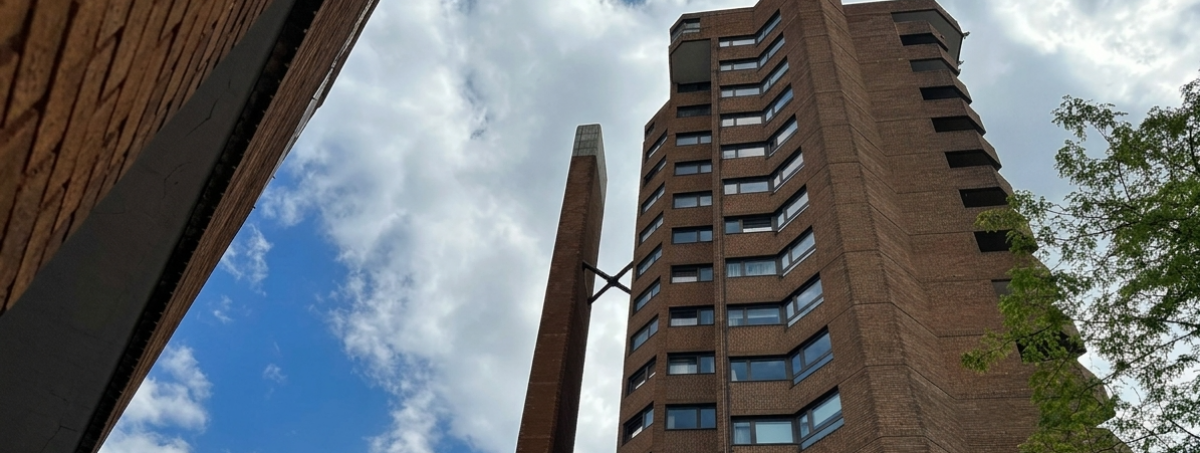
A proposed £20m refurbishment of Chelsea’s World’s End Estate puts building safety and long-term maintenance at the centre of social housing investment, with planned improvements spanning fire safety, electrical systems, lifts and ageing infrastructure across 750 homes.
As reported by BBC News, Kensington and Chelsea Council has outlined a programme covering seven residential tower blocks, with work expected to begin in 2028. The plans include approximately £16.5m for building fabric and internal improvements, alongside a £3.8m lift renewal programme and more than £500,000 earmarked for electrical and fire safety improvements.
For facilities managers and social housing providers, the proposals highlight the value of treating building safety as an ongoing operational priority rather than a series of isolated repairs. Ageing roofs, communal areas, lifts and electrical systems require coordinated maintenance planning to keep buildings functional and safe for residents, staff and contractors.
The programme includes roof renewals, repairs to walkways and stairs, communal-area improvements and fire safety inspections, with replacement front doors where required. The Kensington Post’s report details how these works are intended to address the condition of the estate’s buildings and shared spaces. Measures such as anti-slip finishes and maintained access routes also highlight the importance of reducing everyday hazards alongside broader fire safety improvements.
Lift renewal is another important element. Reliable lifts are essential to accessibility and everyday movement in high-rise housing, particularly for residents with mobility needs. The council’s official committee agenda and supporting reports set out the proposed programme and procurement timetable. Coordinating replacement work with building repairs can help housing providers manage disruption, plan contractor access and communicate with residents before facilities become temporarily unavailable.
The estate’s communal heating infrastructure is also due to be upgraded. The existing system cannot currently support individual heat billing, according to the council report. The wider regulatory context is covered in Ofgem’s guidance on heat network regulation and consumer protection, making the upgrade an additional consideration in the estate’s long-term infrastructure planning.
Resident engagement will remain important as the programme develops. The council has indicated that people most affected by the works will receive tailored support, including respite and temporary relocation options. Clear communication, appropriate risk controls and practical arrangements for residents can help refurbishment projects proceed while limiting disruption to daily life.
The proposals represent planned investment rather than completed improvements, and leaseholder contributions have not yet been confirmed. Nevertheless, the programme provides a clear example of how housing providers can bring building condition, safety and resident needs together in a coordinated maintenance strategy.
For the sector, the lesson is direct: effective housing safety depends on planned maintenance, reliable building systems and resident-centred delivery. Coordinating these priorities can help social housing providers protect occupants while extending the useful life of their assets.
Source: BBC News / Royal Borough of Kensington and Chelsea / The Kensington Post / Ofgem













.png)